

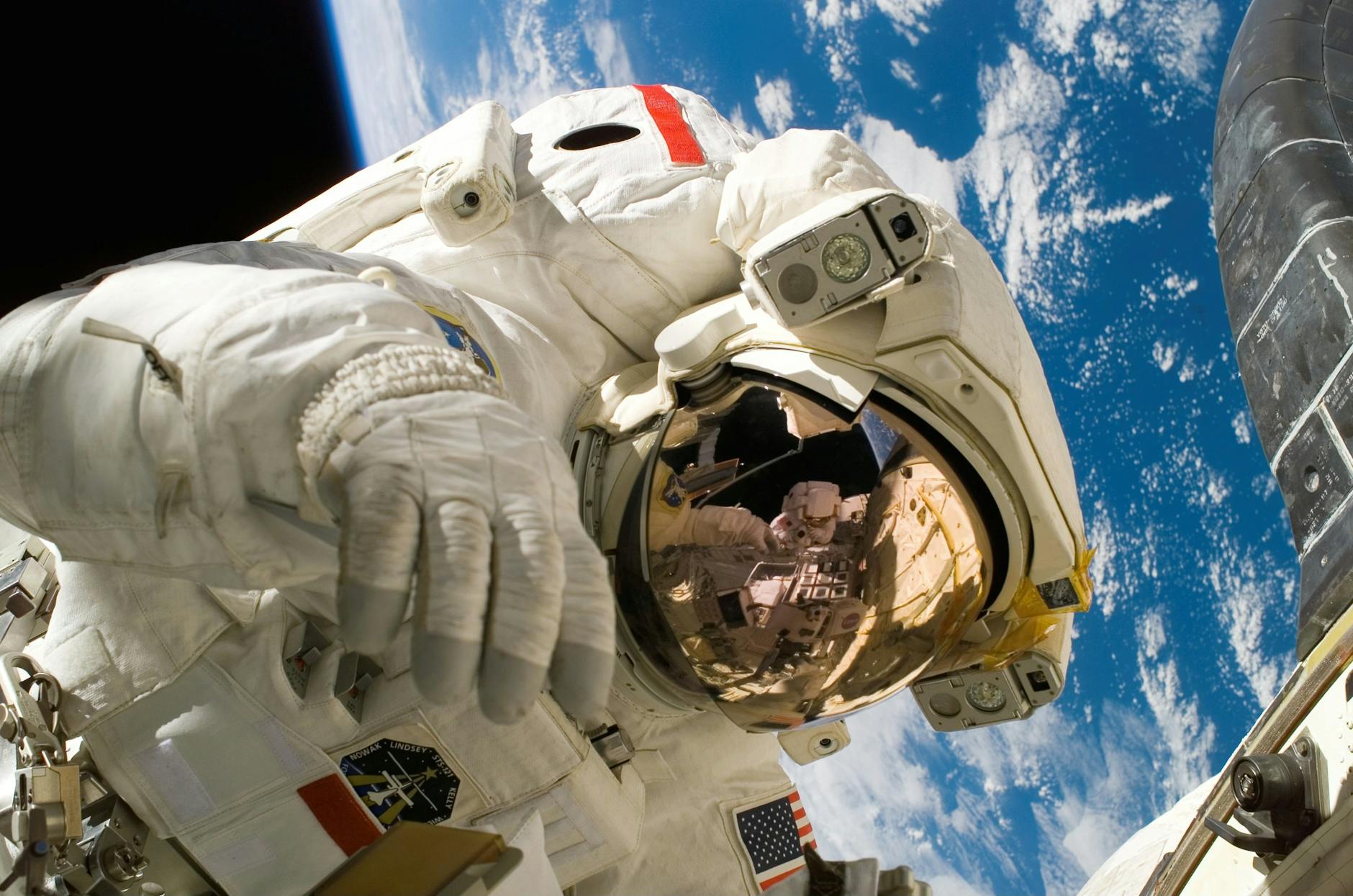
NASA is rushing an entire astronaut crew back to Earth after what officials are calling a “serious medical condition” aboard the International Space Station — a stunning move not seen in the history of American spaceflight.
The four-person Crew-11 team was supposed to stay in orbit until late February. That plan is now over. NASA Administrator Jared Isaacman confirmed the astronauts will “return in the coming days,” ending their mission more than a month ahead of schedule.
The agency refuses to identify the crew member or describe the illness. Privacy rules block disclosure. But a senior NASA official familiar with the situation told our publication the health issue “escalated quickly” and demanded an immediate change of plans.
“This was not a minor problem,” the official said. “Once flight surgeons saw the data, the conversation shifted fast. This became about survival, not science.”
How the Medical Crisis Came to Light
The first public hint came last week when NASA abruptly canceled a high-stakes spacewalk. Astronauts Mike Fincke and Zena Cardman were supposed to install power upgrades that would help guide the station safely into retirement in 2030. NASA blamed the cancellation on a “medical concern,” but offered no details.
Behind the scenes, mission controllers were already preparing emergency protocols.
Former NASA flight director Paul Dye said the response tracks with training.
“In spaceflight, you don’t debate,” Dye said. “If the safest option is to bring them home, then you bring them home. Everything else becomes secondary.”
Dye added that while NASA has rehearsed medical evacuations for decades, the agency has never been forced to carry one out — until now.
The Crew at the Center of the Emergency
Crew-11 launched August 1, 2025, aboard a SpaceX Dragon capsule from Kennedy Space Center. The international team includes:
• NASA astronauts Mike Fincke and mission commander Zena Cardman
• JAXA astronaut Kimiya Yui
• Russian cosmonaut Oleg Platonov
Ordinarily, ISS crews spend six to eight months in orbit. Cutting a mission short for health reasons has never happened in 65 years of human spaceflight.
Space historian Robert Pearlman said the decision is unprecedented.
“We’ve had medical scares in space,” Pearlman told us. “But nothing serious enough to trigger an early return. This is a first.”
What Happens on the ISS Now?
Once Crew-11 departs, only three people will remain aboard the station: two Russian cosmonauts and one NASA astronaut from a previous Soyuz mission.
That skeleton crew will have little time for science. Their job becomes survival — keeping the aging space station functioning until reinforcements arrive.
“It’s a huge operational hit,” said Don Platt, a former ISS engineer now teaching at Florida Tech. “With only three people up there, the priority becomes keeping the lights on. A lot of research will grind to a halt.”
A new SpaceX rotation isn’t scheduled to launch until February. If that mission slips, the ISS could face one of the leanest staffing periods in its 25-year history.
The Hidden Medical World of Spaceflight
Retired astronaut Nicole Stott says crews are trained extensively for emergencies — even the terrifying kind no one talks about publicly.
“We practice everything,” Stott said. “Trauma care, sutures, dental work, emergency meds. You have to be prepared for the worst, even if you hope it never comes.”
The station carries specialized equipment designed for microgravity medical care. But space is unforgiving. Without gravity, blood flows differently. Drugs metabolize unpredictably. Even minor injuries can escalate fast.
“You can do a lot with remote support from ground teams,” Stott added. “But there are limits. Sometimes Earth is the only hospital that matters.”
NASA Faces Difficult Questions
The agency still won’t say when Crew-11 will undock, only that the return is imminent. Officials stress that the medical issue is stable and not life-threatening during reentry.
Still, the event raises rare and unsettling questions.
What exactly happened?
How close did NASA come to a true medical catastrophe in orbit?
And what will change before the next crew rides a rocket back to space?
For now, the world is waiting — and watching — as NASA prepares a high-stakes return mission unlike any in ISS history.