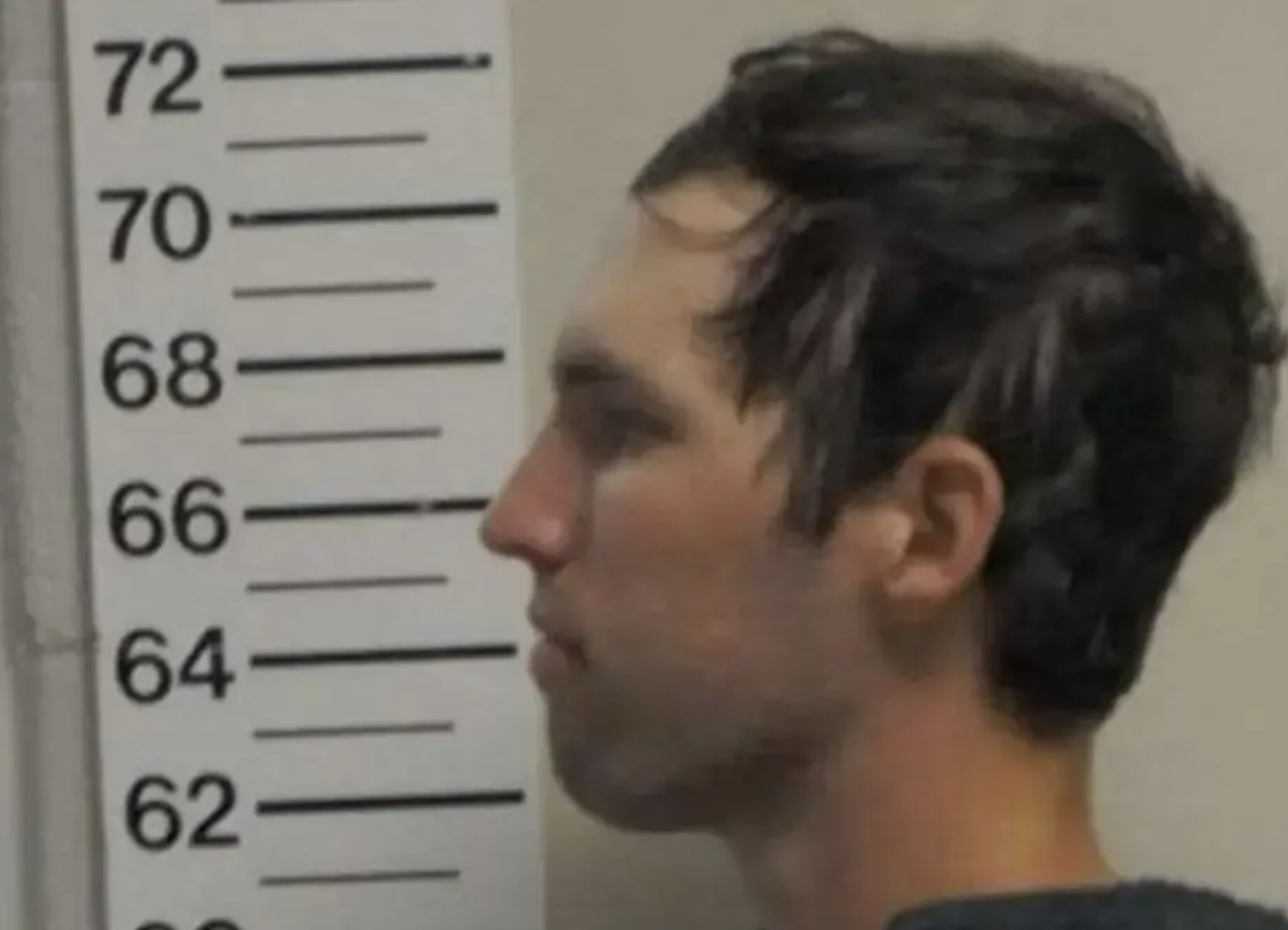
A stunning new development has rocked the already explosive case surrounding the assassination of conservative commentator Charlie Kirk — and it’s raising more questions than answers.
Investigators recently revealed that the bullet responsible for Kirk’s death does not match the rifle allegedly linked to suspect Tyler Robinson. At first glance, it sounds like a game-changing break for the defense.
But not so fast.
A former FBI agent says the headline-grabbing detail may not mean what people think it does.
Jennifer Coffindaffer, a veteran federal investigator, is now stepping in to explain why the mismatch isn’t the smoking gun many are assuming — and why the truth could be far more complicated.
“The bullets don’t tell the story here,” she warned in a public statement, urging followers to take a closer look at what actually happened.
According to Coffindaffer, the bullet that struck Kirk never exited his body. Instead, it became severely damaged — essentially breaking apart into fragments during impact. That kind of destruction makes it extremely difficult, if not impossible, to match the projectile to a specific weapon.
In other words, the key piece of evidence may have been too compromised to speak clearly.
Instead, experts are now zeroing in on something else: shell casings.
Unlike a shattered bullet, casings can carry distinct markings left behind by a firearm’s internal mechanics — including impressions from the firing pin and ejector. These microscopic signatures can often tie a weapon to a crime with far greater certainty.
Coffindaffer emphasized that without an intact bullet, traditional comparison methods — like analyzing rifling patterns — simply don’t hold up.
And there’s another twist.
The ammunition used in the shooting was reportedly around eight years old, which could have affected how the bullet performed upon impact — potentially contributing to the fragmentation that’s now complicating the investigation.
Meanwhile, Robinson’s legal team is wasting no time capitalizing on the confusion.
His attorneys have filed a motion to delay court proceedings by at least six months, arguing that the forensic evidence requires a deep and complex review involving multiple experts — from geneticists to statisticians.
They claim the process could take hundreds of hours as they dig into whether federal agencies properly handled the scientific analysis.
But Coffindaffer is pushing back hard on one key narrative.
She insists that the bullet mismatch is not exculpatory evidence — meaning it does not clear Robinson of suspicion.
Instead, she says it’s exactly what investigators would expect given the condition of the bullet.
The high-profile case stems from the shocking killing of Kirk, the co-founder of Turning Point USA, who was gunned down on September 10, 2025, during a speaking event at Utah Valley University in front of a crowd of nearly 3,000 people.
Robinson, 22, was arrested the following day and formally charged with aggravated murder less than a week later. If convicted, he could face the death penalty.
Now, with forensic uncertainty swirling and legal battles heating up, the case is entering a new — and deeply unpredictable — phase.
One thing is clear: this story is far from over.