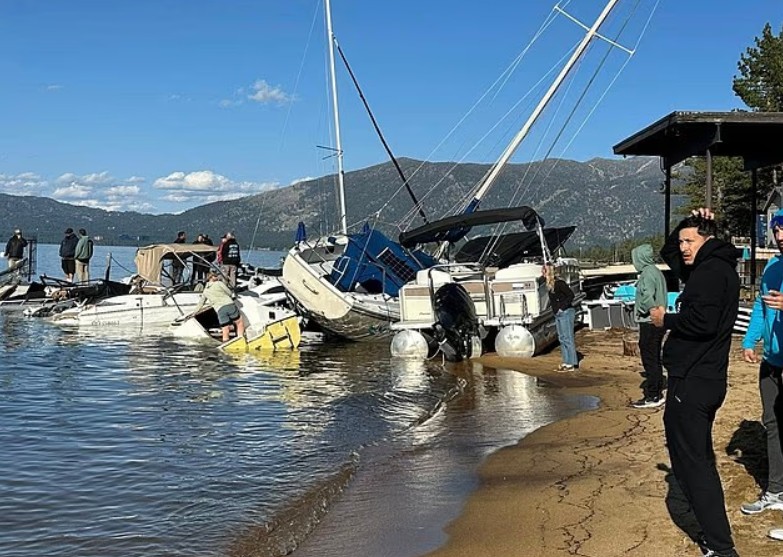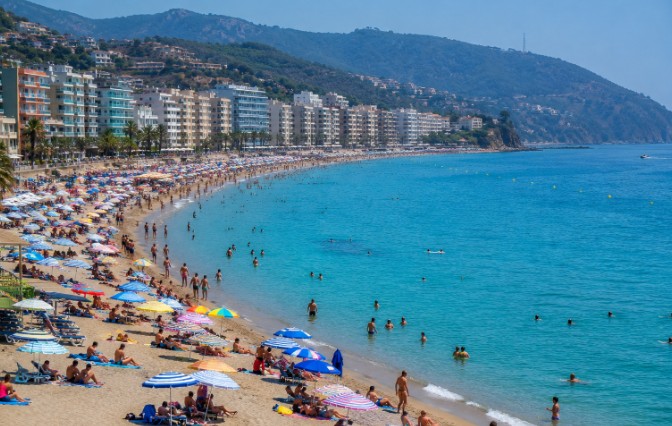
Experts are warning that a dangerous flesh-eating bacteria is becoming a growing threat at European beaches as scorching temperatures heat up coastal waters.
The bacteria, known as Vibrio vulnificus, lives in warm marine and brackish waters, especially in places where rivers meet the sea. It can also be found in seafood.
Now, health officials are warning that climate change and record-breaking heat are creating the perfect conditions for the bacteria to spread.
According to Euronews, Vibrio vulnificus has already been linked to the closure of several beaches in Spain. Health experts say the bacteria can cause stomach illness in some people, but in severe cases, it can lead to life-threatening infections.
The European Centre for Disease Prevention and Control has warned of an “increased risk of Vibrio infections throughout the summer season,” especially during heatwaves.
Warmer water gives the bacteria a better chance to grow and spread. With Europe battling extreme temperatures, experts say more coastal areas could be at risk.
The European Food Safety Authority says people can become infected by eating raw or undercooked seafood or by exposing open wounds to contaminated coastal water.
That is what makes the bacteria so frightening. It does not just cause a stomach bug. In the worst cases, it can enter through a cut or scrape and attack the body quickly.
Gavi, an organization that works to protect children around the world from deadly diseases, explains that Vibrio is related to the bacteria that causes cholera, though the illnesses are different.
“In severe cases, the infection can trigger necrotising fasciitis, in which the tissue around the wound breaks down rapidly,” the organization said. “The bacterium can also enter the bloodstream, causing sepsis, and in some instances patients require amputation of the affected limb.”
Necrotising fasciitis is the terrifying condition often described as “flesh-eating bacteria.” It happens when bacteria rapidly destroy the skin, fat and tissue around muscles.
Gavi says the infection is fatal in about 20 to 50 percent of cases.
The warning comes as new research shows cases have been rising in parts of Europe. A study presented at the ESCMID Global 2026 conference in April found that cases have increased sharply over the past decade, with researchers focusing on Denmark and the wider Nordic region.
The study said Denmark records around 200 severe cases, especially during warmer years.
The threat is not just overseas. In the United States, the CDC has warned that Vibrio vulnificus infections in the eastern part of the country increased eightfold from 1988 to 2018, with the affected area spreading.
The CDC advises people to take two major precautions: Do not eat raw or undercooked seafood, and do not let coastal water get into an open wound.
Beach closures have already rattled parts of Spain in the past. Urbanova Beach and San Gabriel Beach in Alicante were shut in previous incidents involving other forms of bacteria.
The latest warnings come as Europe faces brutal heat. Parts of France hit 44C on Tuesday, or about 111F.
In Finistere, a coastal region in Brittany, officials said 68,000 households lost power after a transformer incident that authorities described as accidental and linked to the extreme heat.
France’s weather agency, Meteo France, has said the current conditions are comparable to the deadly August 2003 heatwave, which lasted 16 days and was blamed for an estimated 80,000 excess deaths across Europe.
For beachgoers, the message from experts is clear: warm water may look inviting, but during extreme heat, it can also hide a dangerous threat.